Artificial Intelligence and Automation
min Lesezeit
Veröffentlicht am
Real AI in Shift Scheduling or Just Automation

Philipp Streich
Business Development Manager
.png)
Table of Content
"Our shift scheduling is AI-based" – this statement sounds good, but what's really behind it? Many businesses work with automated tools, but true Artificial Intelligence is rarely used. The difference is crucial, especially when you're focused on efficiency, cost control, and the best possible experience for your team.
The Difference Between AI and Automation
The term "AI" is used liberally in marketing, but not every automated system is truly intelligent. Understanding the distinction helps you make better purchasing decisions.
Rule-Based Automation
Traditional scheduling software follows predefined rules:
- If employee A is available, assign shift X
- Ensure minimum rest periods between shifts
- Don't exceed maximum weekly hours
This works predictably but can't adapt to changing conditions or learn from outcomes.
True AI Capabilities
AI-powered systems go further:
- Pattern Recognition: Identifying trends humans might miss
- Predictive Analytics: Forecasting demand based on multiple variables
- Continuous Learning: Improving recommendations based on outcomes
- Optimization: Balancing multiple competing objectives simultaneously
What AI Can Do in Shift Scheduling
Demand Forecasting
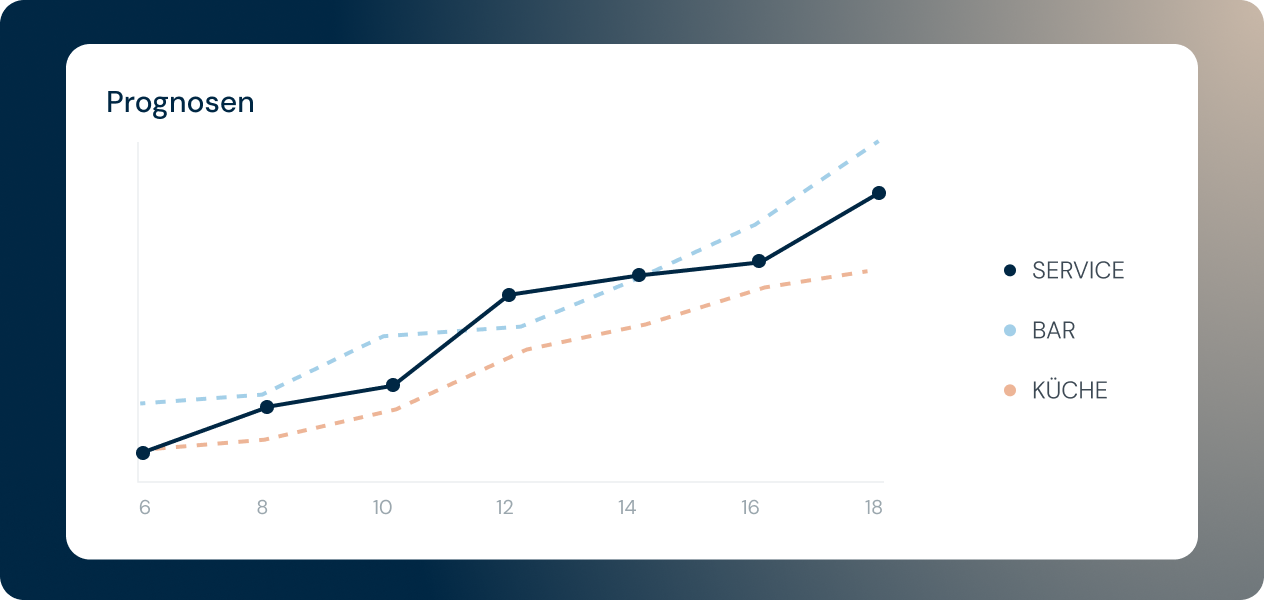
AI analyzes historical data, weather patterns, local events, and more to predict staffing needs. This goes beyond simple averages to capture complex patterns.
Intelligent Assignment
Rather than just following rules, AI considers multiple factors simultaneously:
- Employee skills and certifications
- Historical performance in different shifts
- Fairness across the team
- Cost optimization
- Employee preferences
Anomaly Detection
AI can flag unusual patterns – unexpected overtime accumulation, scheduling conflicts, or compliance risks – before they become problems.
Questions to Ask Vendors
When evaluating "AI-powered" scheduling tools, ask:
- How does the system learn from historical data?
- Can it predict demand or only react to it?
- Does it improve over time without manual reconfiguration?
- What data sources does it integrate with?
The Reality: Hybrid Approaches Work Best
Pure rule-based systems are too rigid. Pure AI without guardrails can make unexpected decisions. The best solutions combine both:
- AI for forecasting and optimization
- Clear rules for compliance and constraints
- Human oversight for final approval
Don't be fooled by marketing buzzwords. True AI in shift scheduling offers measurable advantages through prediction and optimization, but it needs proper implementation and human oversight. Ask the right questions, understand what you're buying, and choose solutions that deliver real value – not just impressive terminology.
Talk to an expert
Are you interested in demand-oriented personnel planning? Then book an expert interview.
Share
Lorem ipsum dolor sit amet, consectetur adipiscing elit. Suspend Varius Enim in Eros Elementum Tristique. Duis cursus, mi quis viverra ornare, eros dolor interdum nulla, ut commodo diam libero vitae erat. Aenean Faucibus Nibh et Justo Cursus id Rutrum Lorem Imperdiet. Nunc ut sem vitae risus tristique posuere.
See Real AI in Action
Experience how Nesto's AI-powered scheduling actually works in practice.
Key Takeaways

Artificial Intelligence and Automation
How Demand Forecasting Revolutionizes Hospitality
Demand forecasting transforms hospitality operations from reactive to proactive. Learn how predictive analytics enables smarter decisions across the business.
Philipp Streich
29 Jan 2026
•
min read
Blogposts